
Mastering Recall: Dog Recall Training to Teach Your Dog to Come

Teaching your dog to come when called is one of the most important skills you can develop together. It’s not just about obedience - it’s about safety, trust, and building a strong bond. When your dog responds reliably to your call, you gain peace of mind knowing they’ll return to you in any situation. Whether you’re at the beach, in a park, or just enjoying your backyard, mastering recall opens up a world of freedom and fun for both of you.
Let’s explore how to make recall training a positive, effective experience that fits your lifestyle and your dog’s unique personality.
Why Dog Recall Training Matters
Recall training is more than a command - it’s a foundation for your dog’s safety and your peace of mind. Imagine your dog off-leash, happily exploring, but suddenly distracted by a squirrel or another dog. Without a strong recall, they might run off or get into trouble. Reliable recall means you can call your dog back anytime, anywhere.
Plus, recall training strengthens your relationship. Your dog learns to trust you and respond eagerly because coming to you means something wonderful - praise, treats, or playtime. This positive connection makes training enjoyable and effective.
Here are some key benefits of dog recall training:
Safety: Prevents your dog from running into dangerous situations.
Freedom: Allows off-leash adventures with confidence.
Bonding: Builds trust and communication between you and your dog.
Convenience: Makes outings and daily walks more manageable.
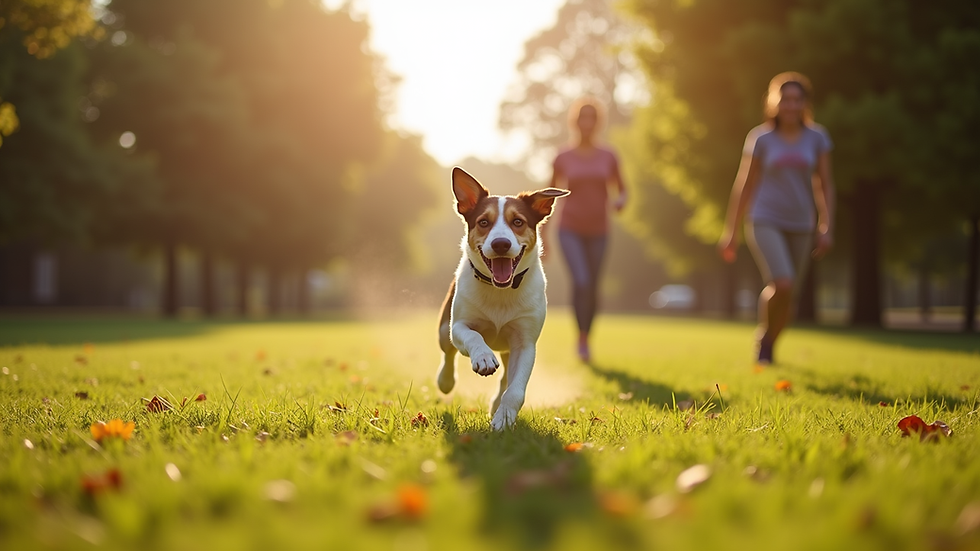
Essential Tips for Successful Dog Recall Training
Starting recall training can feel overwhelming, but breaking it down into simple steps helps. Here’s how to set your dog up for success:
Choose a Clear Recall Cue
Pick a word or phrase like “come” or “here” and use it consistently. Avoid using your dog’s name alone as a recall cue to prevent confusion.
Start Indoors or in a Secure Area
Begin training in a quiet, distraction-free space. This helps your dog focus on you without competing stimuli.
Use High-Value Rewards
Find treats or toys your dog loves. Use these rewards immediately when your dog comes to you to reinforce the behavior.
Keep Training Sessions Short and Fun
Five to ten minutes per session is ideal. End on a positive note to keep your dog eager for the next session.
Gradually Increase Distractions
Once your dog responds well indoors, practice in your yard, then in parks or other outdoor spaces with more distractions.
Never Punish Your Dog for Coming Late
Recall should always be positive. If your dog hesitates or takes time, avoid scolding. Instead, reward any progress to encourage improvement.
How can I teach my dog to come when I call her?
Teaching your dog to come when called is a step-by-step process that requires patience and consistency. Here’s a practical approach you can start today:
Step 1: Get Your Dog’s Attention
Use a happy, excited tone and say your recall cue clearly. You can clap your hands or squat down to appear more inviting.
Step 2: Reward Immediately
When your dog moves toward you, praise enthusiastically and offer a treat or favorite toy. Make coming to you the best part of their day.
Step 3: Practice Short Distances
Call your dog from just a few feet away. Gradually increase the distance as your dog becomes more reliable.
Step 4: Add a Long Line for Safety
Use a long training leash outdoors to prevent your dog from running off while still allowing freedom to roam.
Step 5: Mix Up Rewards
Sometimes use treats, other times use play or affection. This keeps your dog guessing and motivated.
Step 6: Practice Regularly
Consistency is key. Incorporate recall practice into daily walks and playtime.
If you want to dive deeper into techniques, you can teach dog to come when called with detailed guides and videos.

Common Challenges and How to Overcome Them
Recall training isn’t always smooth sailing. You might face some hurdles, but don’t get discouraged. Here are common challenges and how to handle them:
Distractions Overwhelm Your Dog
If your dog ignores your call around other dogs or wildlife, go back a step. Practice in a less distracting environment and gradually build up.
Dog Runs Away or Hides
This can happen if recall is associated with something unpleasant. Make sure recall is always positive and never used to punish.
Dog Comes Slowly or Hesitates
Use high-value rewards and enthusiastic praise. Try changing your tone or body language to be more inviting.
Dog Only Comes When You Have Treats
Mix up rewards with play, affection, or a favorite toy. This helps your dog respond even when treats aren’t available.
Dog Ignores Recall Outdoors
Use a long line for safety and practice frequently in different locations. Patience and repetition are essential.
Remember, every dog learns at their own pace. Celebrate small wins and keep sessions upbeat.
Making Recall Training Part of Your Lifestyle
Recall training isn’t a one-time event - it’s a lifelong skill that benefits from ongoing practice. Here are some ways to weave recall into your daily routine:
Call Your Dog During Walks
Occasionally call your dog to your side and reward them, even if they’re already walking with you.
Play Recall Games
Turn training into a fun game of hide and seek or fetch that ends with your dog coming to you.
Use Recall Before Off-Leash Time
Always call your dog and get a solid response before letting them off leash.
Involve Family Members
Have everyone use the same recall cue and reward system to avoid confusion.
Stay Positive and Patient
Training is a journey. Your calm, encouraging attitude helps your dog feel confident and eager to please.
By making recall training a natural part of your interactions, you create a strong, joyful connection that lasts a lifetime.
Mastering recall is one of the most rewarding experiences you and your dog can share. It opens doors to safe adventures, deepens your bond, and gives you confidence in your dog’s behavior. With patience, consistency, and plenty of love, you’ll enjoy the freedom and joy that come with a dog who always comes when called.

$50
Product Title
Product Details goes here with the simple product description and more information can be seen by clicking the see more button. Product Details goes here with the simple product description and more information can be seen by clicking the see more button

$50
Product Title
Product Details goes here with the simple product description and more information can be seen by clicking the see more button. Product Details goes here with the simple product description and more information can be seen by clicking the see more button.
$50
Product Title
Product Details goes here with the simple product description and more information can be seen by clicking the see more button. Product Details goes here with the simple product description and more information can be seen by clicking the see more button.


Comments